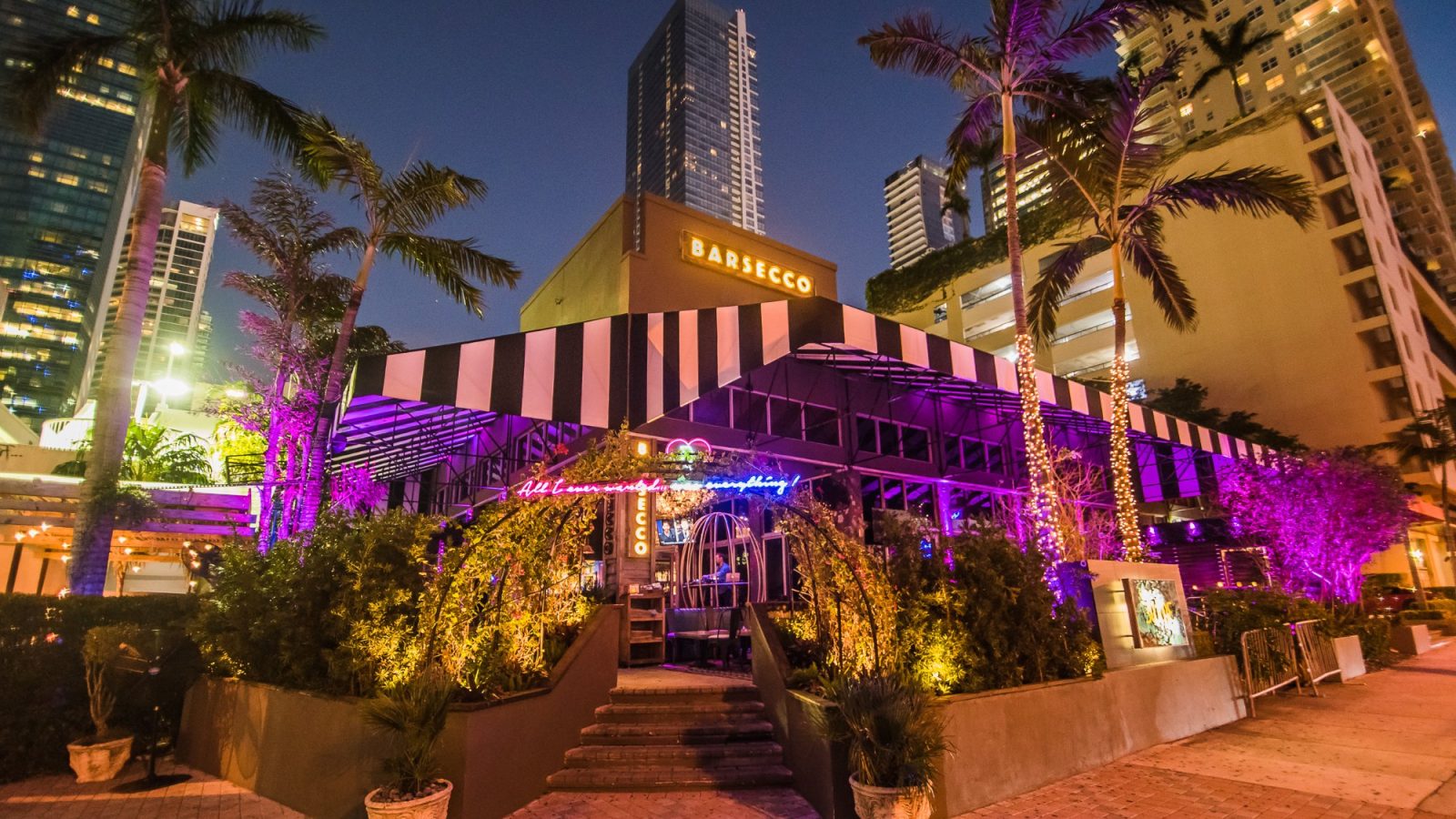
Every few years someone writes the Wynwood is over piece. The complaint is consistent: it’s gotten too touristy, the original art has been replaced by branded murals, the rents have pushed out the galleries and artists who created the neighborhood’s identity, and it’s now more outdoor mall than creative district. I’ve been writing about Miami long enough to have read several iterations of this argument. My honest assessment in 2025: the concerns are not wrong, but the conclusion — that Wynwood is spent — misunderstands what the neighborhood has become.
What Wynwood Actually Is in 2025
Wynwood is no longer a gallery district. That phase ended around 2016-2018 as retail rents climbed beyond what art galleries could sustain. The Wynwood Walls — the original outdoor museum curated by Goldman Properties that started the neighborhood’s transformation — remain, and remain genuinely good. But the surrounding blocks are now a mix of restaurants, bars, boutique retail, fitness studios, and the very beginning of residential development.
What Wynwood has become is Miami’s version of what Williamsburg became in Brooklyn or Silver Lake in Los Angeles: a former industrial neighborhood that creative energy transformed, then commercial energy colonized, that is now settling into a new identity as an entertainment and lifestyle district with traces of its creative origins. This is not a failure. It is a recognizable urban pattern that produces neighborhoods that are genuinely good places to spend time, even if they are no longer avant-garde.
The Restaurant Scene Is Outstanding
Whatever you think about Wynwood’s authenticity, the food scene is among the best in Miami. KYU, Alter, Mandolin Aegean Bistro, Coyo Taco, Kush, Wynwood Kitchen & Bar — these aren’t tourist traps. They’re legitimate restaurants that have built loyal local followings alongside tourist traffic. The density of good eating in a 15-block radius is remarkable, and new openings continue to improve the options.
The Nightlife Has Evolved
Wynwood’s bar and nightlife scene has expanded beyond the early days of popup bars in warehouse spaces. WYNWOOD BREWING COMPANY has become a Miami institution. The Electric Pickle (now closed, RIP) has been replaced by a new generation of music venues. The rooftop at Coyo Taco remains an accessible anchor. And the late-night scene on NW 2nd Avenue continues to be one of the more interesting bar strips in the city — less polished than Brickell, more curated than South Beach.
Real Estate: The Next Chapter
Residential development in Wynwood is accelerating, which will fundamentally change the neighborhood once again. Several mid-rise residential projects have been approved or broken ground in the western blocks. As the residential population grows, the neighborhood will develop the neighborhood-serving infrastructure (grocery stores, dry cleaners, everyday services) that it currently lacks. This is both a gentrification story and a maturation story, and it’s worth watching.
For buyers: Wynwood condos are currently priced below comparable product in Brickell and Edgewater, and below what the neighborhood’s restaurant-and-retail amenity set might suggest they should command. The residential infrastructure gap (no grocery, limited transit, challenging parking) accounts for some of the discount. As that gap closes — which it is, gradually — the discount will shrink.
My Honest Take
Wynwood in 2025 is not the Wynwood of 2012. But it is still the most interesting square mile of public space in Miami — the densest concentration of good restaurants, independent bars, outdoor art, and genuine visual interest in the city. The tourists who go there are not wrong to go there. The locals who condescend to them about it are being precious. Go to Wynwood. Eat at KYU. Walk the Walls. Have a beer at the Wynwood Brewing Company. It’s still one of the best things about this city.